Shogakukan Flower DX Keiko Takemiya Flower DX The Poem of Wind and Trees (Kaze to Ki no Uta
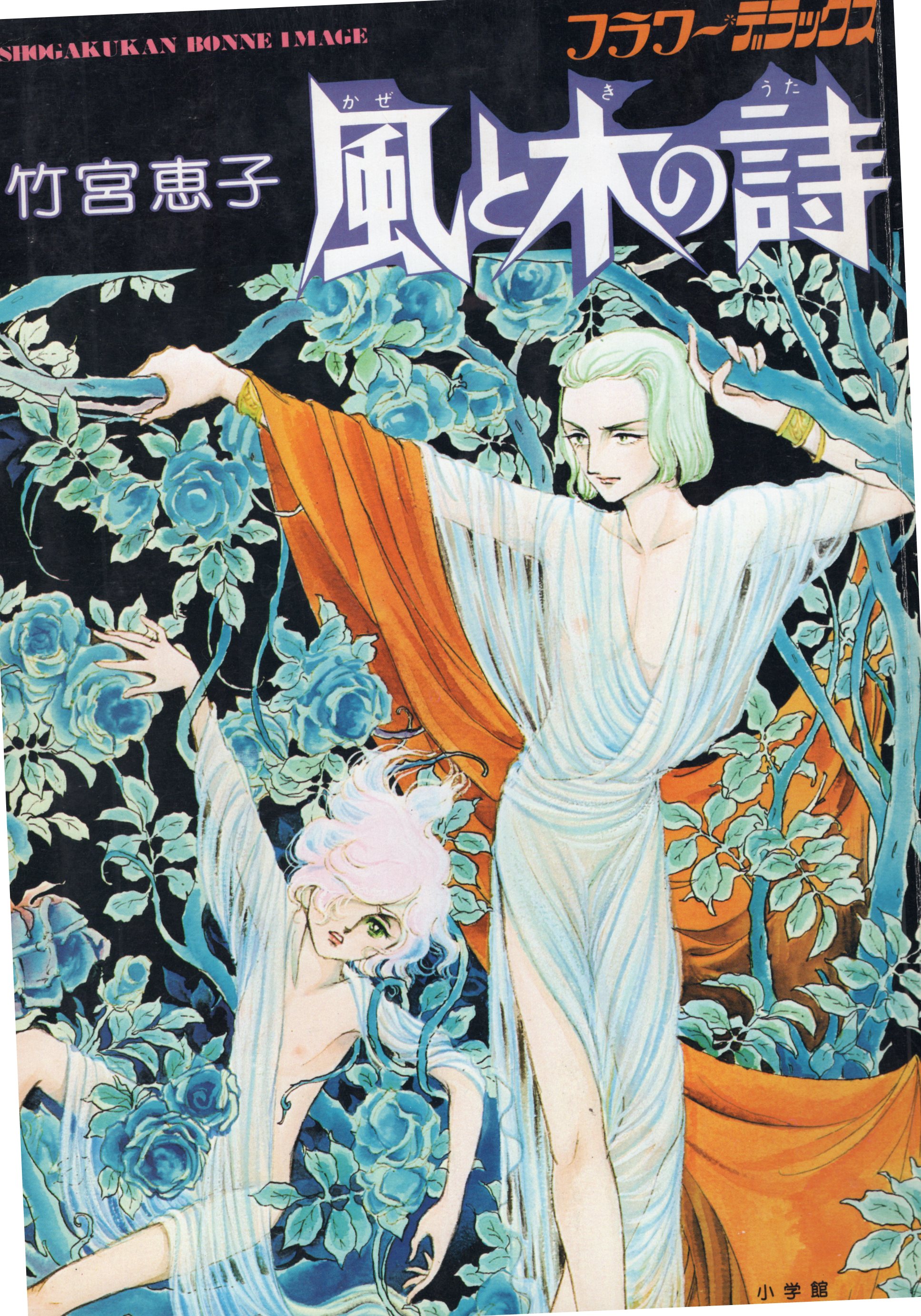
Kaze to Ki no Uta Serge Battour is the son of a French viscount and a Romani prostitute, and despite his kind nature and academic talent, is shunned by his family and his peers due to the color of his skin. He begins to attend Lacombrade Academy, his father's alma mater, in the hopes that there he will find a place to belong..
Kaze to Ki no Uta Addicted. — Kaze to Ki no Uta Vol 14

Kaze to Ki No Uta (風と木の詩?, lit. The Poem (Song) of the Wind and the Trees) is a shōjo manga by Keiko Takemiya. It was first published by Shougakukan from 1976 to 1984 in the magazine Shōjo Comic. In 1979, it was awarded the prestigious Shogakukan Manga Award for shōnen/shōjo manga.[1] The series is widely regarded as a shōnen-ai classic, being one of the first in the genre to.
Kaze to Ki no Uta colored by ZeroSoul on DeviantArt

Kaze to Ki no Uta is a Japanese manga series written and illustrated by Keiko Takemiya. It was serialized in the manga magazine Shūkan Shōjo Comic from 1976 to 1980, and in the manga magazine Petit Flower from 1981 to 1984. One of the earliest works of shōnen-ai, Kaze to Ki no Uta follows the tragic romance between Gilbert Cocteau and Serge Battour, two students at an all-boys boarding.
Columbia Record CQ7047 The Poem of Wind and Trees (Kaze to Ki no Uta)With Obi) Mandarake
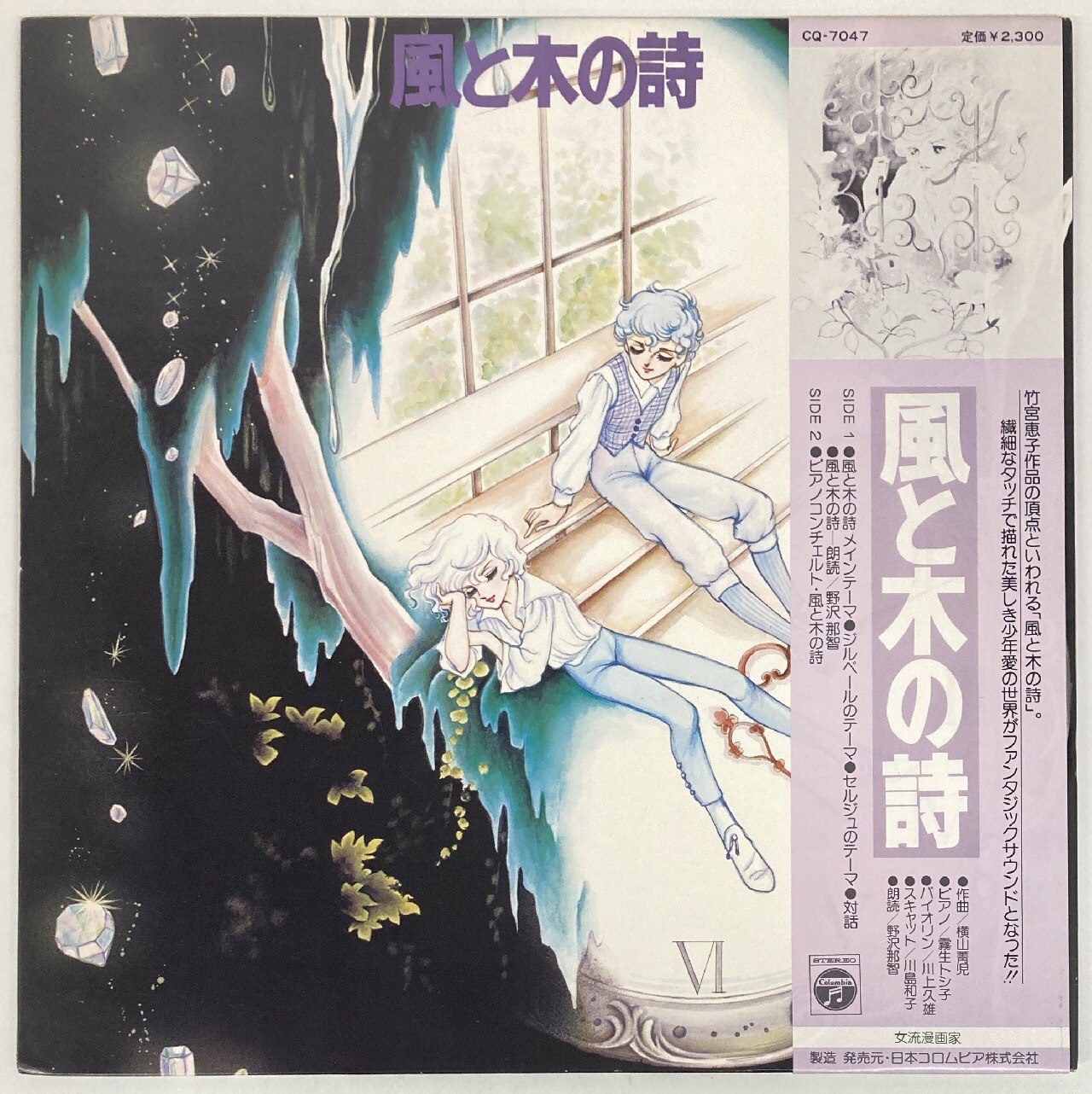
Kaze to Ki no Uta ("The Song of Wind and Trees" or "The Poem of Wind and Trees") is a manga series by Keiko Takemiya that was serialized from 1976 to 1984 (starting its run in Shoujo Comic, but later moving to Petit Flower in 1981 where it continued until its conclusion). It was one of the first shoujo manga to focus on a homosexual.
Kaze to Ki no Uta [Manga] [Descarga] [09/17 Tomos] [Esp] [Cbz] [Google Drive] Setnomanga respaldo

Looking for information on the anime Kaze to Ki no Uta Sanctus: Sei Naru Kana (The Poem of Wind and Trees)? Find out more with MyAnimeList, the world's most active online anime and manga community and database. 1887, at a remote, elite boarding school in France: Serge Battour returns after his graduation, and remembers the days of his youth. 1880, at the same school: Son of a viscount and a.
Kaze to Ki no Uta 9 Vol. 9 (Issue)

Originally published in the 1970's, Kaze to Ki no Uta is considered by many to be the first true yaoi manga. In 1979, this series was awarded the prestigious Shogakukan Manga Award for shounen/shoujo manga. A bit of warning: "Kaze…" includes scenes of rape and child abuse (including lots of shota). Author. Takemiya Keiko.
Kaze to ki no uta Takemiya Keiko 50th Anniversary exhibition Illustration, Manga illustration

Background. Kaze to Ki no Uta won the 25th Shogakukan Manga Award in the Shoujo category in 1979. The series is considered to have popularized the boys' love genre and significantly contributed to its development. The manga has been published in Spanish as La Balada del Viento y los Árboles by Milky Way Ediciones.
Kaze to Ki no Uta 11 Vol. 11 (Issue)

1976 - 1984. 4.013 out of 5 from 120 votes. Rank #3,548. When nobleman and gypsy-born Serge Batouille arrived at Laconblade Academy, he had no idea his life would change forever. Upon arriving, he is roomed with the sexually-voracious and flirtatious Gilbert Cocteau, which ensures that life at the prestigious school will dole out more.
"Kaze to Ki no Uta" BL classic by Keiko Takemiya will get Italian translation Yaoi Worshippers

Translated by multiple fantranslators across a period ranging over a decade, I have collected, in .cbr format, all of Kaze to Ki no Uta for archival purposes. Addeddate 2021-11-23 19:13:24 Identifier kaze-to-ki-no-uta-v-11 Identifier-ark ark:/13960/s2g80j38kt2 Ocr tesseract 5.0.0-rc2-1-gf788.
Kaze to Ki no Uta 14 Vol. 14 (Issue)

Kaze to Ki no Uta (Japanese: 風と木の詩, lit. "The Poem of Wind and Trees" or "The Song of Wind and Trees") is a Japanese manga series written and illustrated by Keiko Takemiya.It was serialized in the manga magazine Shūkan Shōjo Comic from 1976 to 1980, and in the manga magazine Petit Flower from 1981 to 1984. One of the earliest works of shōnen-ai (a genre of male-male romance.
Kaze to Ki no Uta Manga illustration, Anime shows, Manga art

Author (s): TAKEMIYA Keiko. Artist (s): TAKEMIYA Keiko. Status (s): Ongoing Kaze To Ki No Uta 41 will coming soon. Rank: 6255th. Type: Manga. Summary: From Obsession: Serge Battour, son of a gypsy prostitute and a count arrives to the Lacomblade academy, wanting to follow his father's footsteps and become a famous pianist.
Kaze to Ki no Uta Sanctus Sei Naru Kana (1987) AZ Movies
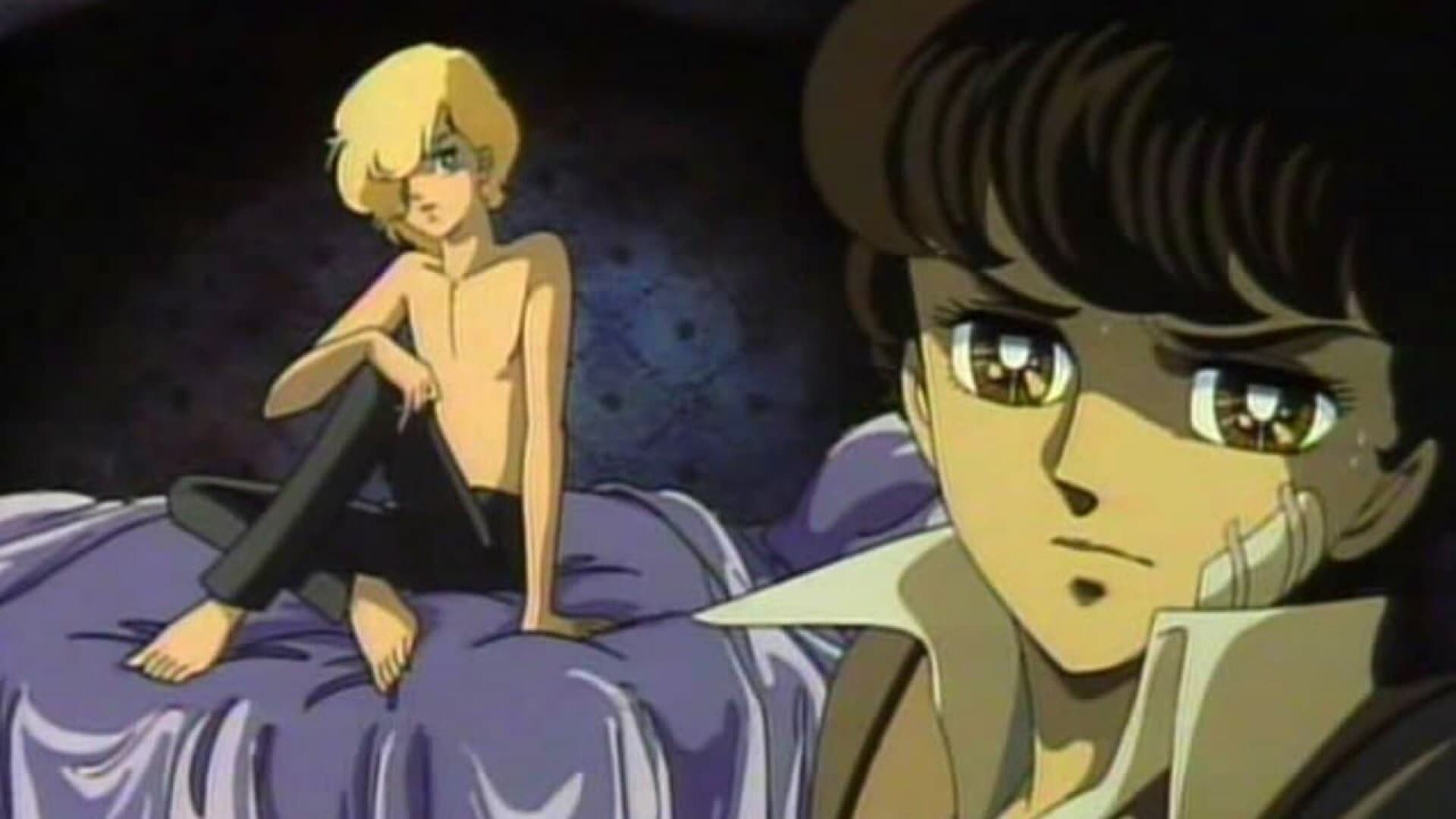
Kaze to Ki no Uta (translated as The Poem of Wind and Trees) is poetic and beautiful, just as its name suggests.Set during the late 19th century, Kaze draws inspiration from Victorian art, such as its use of angel motifs and attention to detail. Even the colors are bright and cheerful, common of the time period despite its preoccupation with death, and Kaze manages to weave some light into its.
Kaze to ki no uta Takemiya Keiko 50th Anniversary exhibition Manga illustration, Manga artist

WARNING: THIS IS SHOUNEN-AI/YAOI meaning guys in love w/ each other! If this subject matter bothers you please leave now! I do not own anything, not the musi.
Kaze to Ki no Uta (IN FULL!) YouTube

Nakamura Nobuyuki. Work: Konami Kougyou. * Based on 1976 manga by Takemiya Keiko, Kaze to Ki no Uta: Sei ni Naru ka na is a tender romance between two boys, Serge and Gilbert. The story takes place at the end of 19th century in a European boarding school for boys. Serge, a quiet, calm, gentle and religious person, is sent by his family to this.
Kaze To Ki No Uta Wiki Anime Amino

Kaze to Ki no Uta (風と木の詩 Poem of Wind and Trees) is a manga series written and illustrated by Keiko Takemiya.It was serialized in the manga magazine Shūkan Shōjo Comic from 1976 to 1980, then in the Petit Flower from 1981 to 1984. One of the earliest works in the shōnen-ai genre, Kaze to Ki no Uta follows the tragic romance between Gilbert Cocteau and Serge Battour, two students.
Kaze to ki no Uta y la interminable tragedia Yaoi Amino Español Amino

Kaze to Ki no Uta SANCTUS: Sei Naru Kana. 1887, at a remote, elite boarding school in France: Serge Battour returns after his graduation, and remembers the days of his youth. 1880, at the same school: Son of a viscount and a Roma prostitute (both deceased), Serge is intelligent, sweet, talented, and alienated by his family due to his heritage.
.